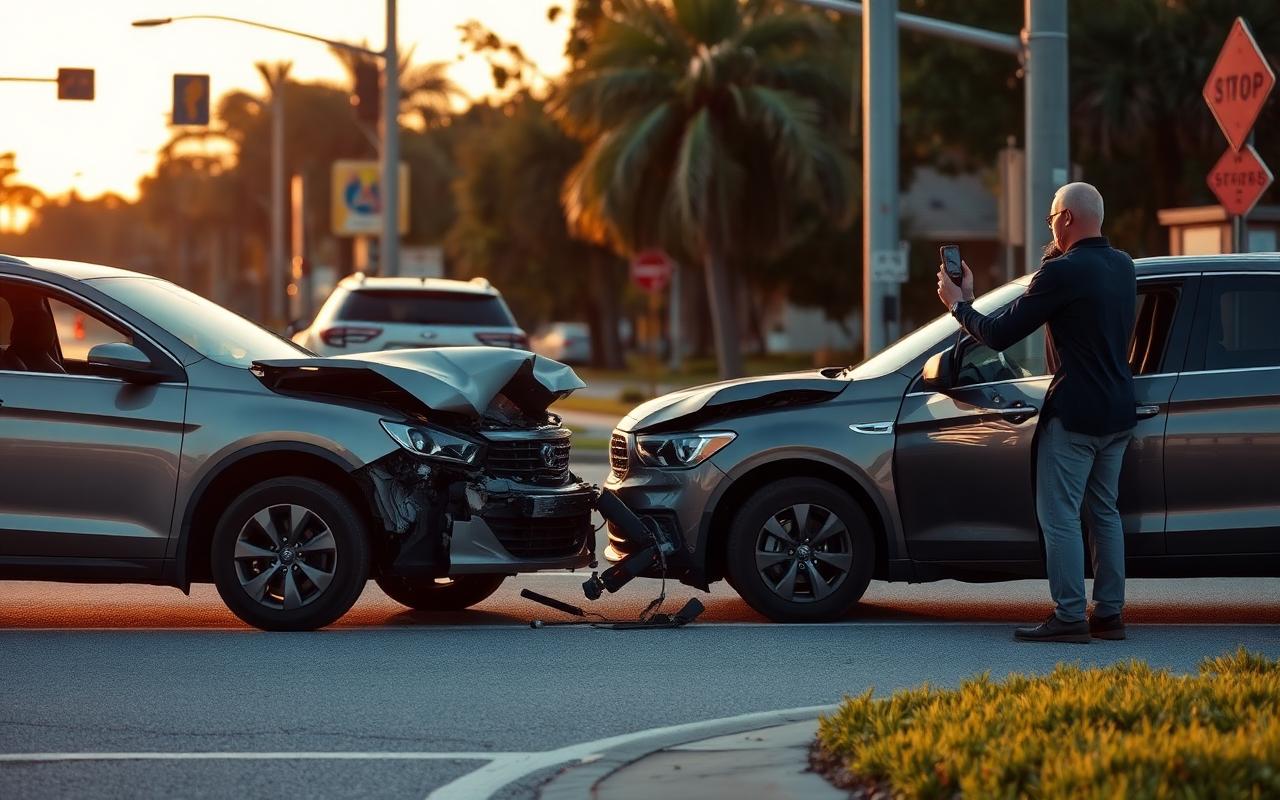
How Uber and Lyft accident claims work
The coverage available to you depends entirely on the driver's app status at the time of the crash. App OFF: only the driver's personal auto policy applies — Uber/Lyft provide no coverage. App ON, waiting for a ride request: contingent liability typically of $50,000 per person / $100,000 per accident for bodily injury and $25,000 for property damage. Ride accepted or passenger on board: Uber and Lyft's $1 million liability policy applies, covering passengers, other drivers, and pedestrians.
Because rideshare companies classify drivers as independent contractors, they actively try to limit their exposure. Without experienced counsel, victims often settle for far less than they deserve.
Rideshare claims demand fast action. App activity records, GPS data, and trip logs must be preserved before they're overwritten. We secure that digital evidence, determine which insurance tier applies, and pursue maximum recovery — whether from the driver's policy, Uber or Lyft's commercial coverage, or both.
Rideshare crashes we typically see
- Passengers injured while riding in an Uber or Lyft
- Drivers of other vehicles struck by a rideshare car
- Pedestrians or cyclists hit by a rideshare vehicle
- Rideshare drivers injured by another negligent driver while on a trip
Losses after a rideshare crash
An injury can affect more than your health. Common considerations include:
- Medical bills (current and future)
- Lost wages and reduced earning capacity
- Pain and suffering
- Property damage
- Permanent injury or disability
What to do after an Uber or Lyft accident
- Get prompt medical evaluation and follow your provider's recommendations.
- Photograph the scene, vehicles, injuries, and any hazards while still fresh.
- Save bills, receipts, records, and correspondence in one organized place.
- Decline recorded statements to insurers before speaking with counsel.
- Avoid posting about the incident or your recovery on social media.
Mistakes to avoid with rideshare insurers
- Accepting an early lowball settlement before treatment is complete.
- Signing broad medical-records releases without legal review.
- Giving a recorded statement to the at-fault driver's insurer.
- Skipping or delaying follow-up care.
- Discussing fault publicly or on social media.
When to call a rideshare accident lawyer
- You were injured and treatment is ongoing.
- An insurance adjuster is calling for a statement or releases.
- Liability or fault is being disputed.
- You're being offered a settlement and aren't sure what it should be.
- The two-year Florida statute of limitations is approaching.
How we handle your rideshare claim
Every case is different. Liberate Legal helps clients:
- Send preservation letters to Uber/Lyft for app status, GPS, and trip-log data.
- Identify which insurance tier applies based on the driver's app state.
- Pursue every available policy — the driver's personal coverage, the rideshare company's commercial policy, and your UM/UIM if needed.
- Counter contractor-status arguments that try to shift liability away from the rideshare company.
- Negotiate firmly and try the case when settlement offers fall short.
Frequently asked questions
This information is for general educational purposes only and is not legal advice. Speaking with an attorney can help you understand how the law may apply to your specific situation.