How pedestrian accident claims work
Drivers in Florida are legally required to yield to pedestrians in marked crosswalks and exercise due care to avoid striking anyone on the road. When they fail, they can be held fully liable for the resulting damages.
Florida's modified comparative fault rule (§ 768.81) applies to pedestrian claims. If you are found to be 50% or less at fault, you can still recover compensation — though your award is reduced by your share of responsibility. If the driver was more than 50% at fault, you are entitled to full recovery.
76% of Florida's hit-and-run fatalities involve pedestrians or cyclists (FLHSMV data). When the driver flees, we move quickly to pursue uninsured motorist coverage and alternative evidence sources like surveillance footage and traffic-camera data.
Where pedestrian accidents happen
- Crosswalk and intersection strikes
- Sidewalk and parking lot accidents
- Hit-and-run pedestrian collisions
- School zone and residential neighborhood incidents
- Distracted or drunk driver accidents
Losses after being hit by a vehicle
An injury can affect more than your health. Common considerations include:
- All medical costs, including emergency care, surgeries, and rehabilitation
- Lost wages and future earning capacity
- Pain, suffering, and emotional trauma
- Permanent disability and long-term care
What to do after a pedestrian accident
- Get prompt medical evaluation and follow your provider's recommendations.
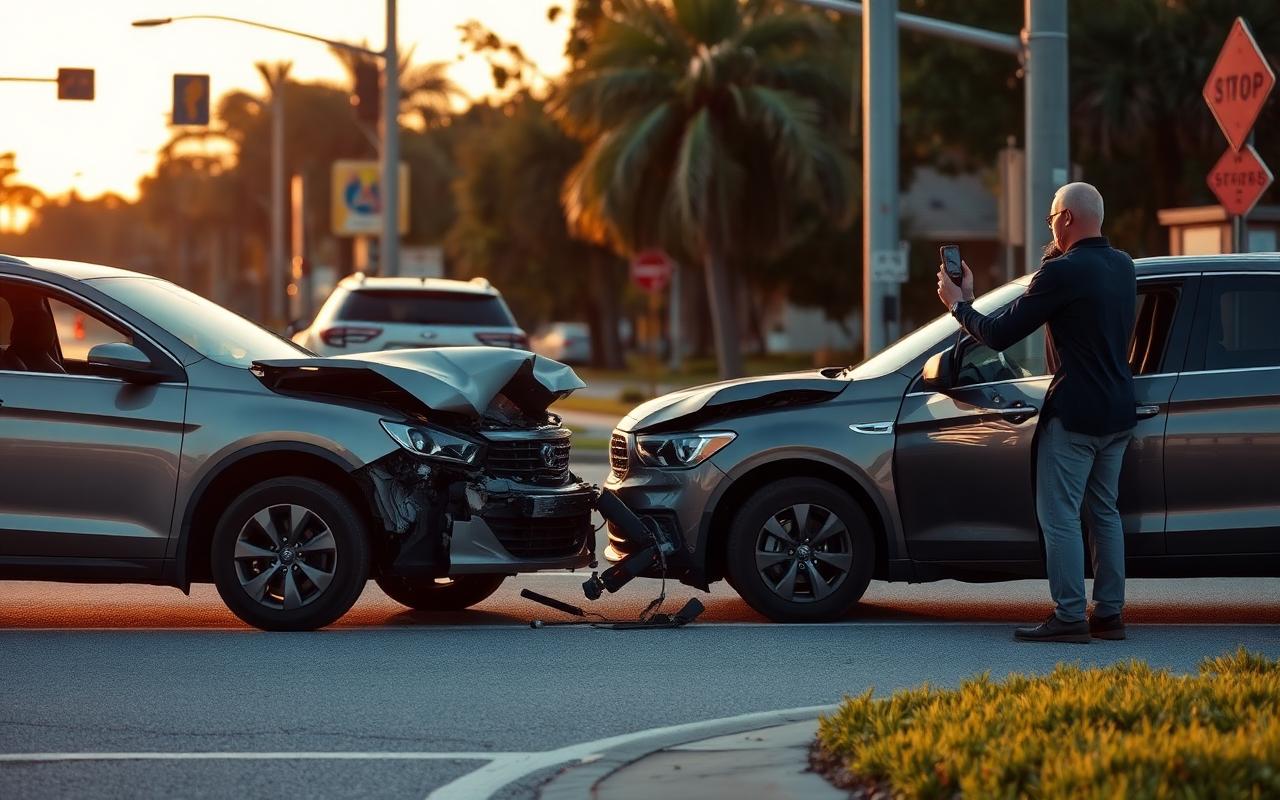
- Photograph the scene, vehicles, injuries, and any hazards while still fresh.
- Save bills, receipts, records, and correspondence in one organized place.
- Decline recorded statements to insurers before speaking with counsel.
- Avoid posting about the incident or your recovery on social media.
Mistakes to avoid after being struck
- Accepting an early lowball settlement before treatment is complete.
- Signing broad medical-records releases without legal review.
- Giving a recorded statement to the at-fault driver's insurer.
- Skipping or delaying follow-up care.
- Discussing fault publicly or on social media.
When to call a pedestrian accident lawyer
- You were injured and treatment is ongoing.
- An insurance adjuster is calling for a statement or releases.
- Liability or fault is being disputed.
- You're being offered a settlement and aren't sure what it should be.
- The two-year Florida statute of limitations is approaching.
How we handle your pedestrian claim
Every case is different. Liberate Legal helps clients:
- Move immediately to preserve surveillance footage, skid marks, and witness accounts before they disappear.
- Identify all available coverage — including the driver's policy and your own UM/UIM benefits in hit-and-run cases.
- Build a clear comparative-fault record to protect your share of recovery.
- Document the full medical, financial, and personal impact of the injuries.
- Negotiate firmly with insurers and try the case when settlement offers fall short.
Frequently asked questions
This information is for general educational purposes only and is not legal advice. Speaking with an attorney can help you understand how the law may apply to your specific situation.